








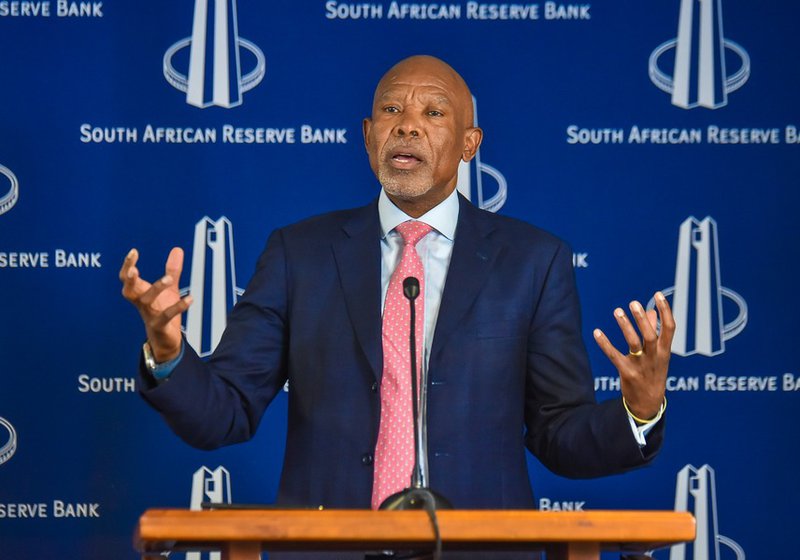
Johannesburg, South Africa – May 29, 2025 – After a period of cautious holding, the South African Reserve Bank (SARB) today delivered a dose of much-anticipated relief to consumers and businesses, announcing a 25-basis point cut in the benchmark repo rate. This brings the repo rate down to 7.25%, with the prime lending rate for commercial banks now set at 10.75%.
The decision, announced by SARB Governor Lesetja Kganyago following the Monetary Policy Committee (MPC) meeting, was widely anticipated by a majority of economists and marks a significant shift in monetary policy, signaling a move towards supporting South Africa’s subdued economy.
Why the Cut? A Data-Driven Decision:
Governor Kganyago highlighted several key factors that underpinned the MPC’s decision:
- Contained Inflation: The most compelling factor was the continued moderation of South Africa’s inflation. The Consumer Price Index (CPI) edged up only slightly to 2.8% in April 2025, from 2.7% in March, remaining firmly within the lower bounds of the SARB’s 3-6% target range. This consistent undershoot of the target, largely driven by lower fuel costs and well-contained core inflation, provided the necessary headroom for a rate reduction.
- Revised Inflation Forecasts: The SARB itself has revised its inflation forecasts downwards. This reflects a lower starting point for inflation, coupled with a stronger exchange rate assumption and lower world oil prices. These positive factors offset some upward pressure from the higher fuel levy announced in the budget and the previous inclusion of now-cancelled VAT increases.
- Subdued Economic Growth: Kganyago acknowledged the faltering economy, noting that official GDP data for Q1 2025 is not yet available, but indicators for key sectors like mining and manufacturing have been disappointing. Unemployment has also risen. The SARB has consequently trimmed its GDP growth projections for 2025 to 1.2%, rising to 1.8% by 2027, indicating a continued need for economic stimulus.
- Global Context: While global economic conditions remain volatile (with higher tariffs and increased uncertainty potentially weakening the world economy), other major central banks, like the Bank of England and the European Central Bank, have also begun cutting rates. This provided some international context for the SARB’s decision to ease policy.
A Divided Committee, But a Clear Outcome:
The decision was not unanimous, with five members of the MPC favouring the 25-basis point cut, while one member preferred a more aggressive 50-basis point reduction. This highlights the ongoing debate within the committee, balancing the need for economic support with the imperative of maintaining price stability and managing potential future risks.
What Does This Mean for South Africans?
- Immediate Relief for Borrowers: For homeowners with bonds, individuals with personal loans, and businesses with debt, the 25-basis point cut translates into a slight reduction in monthly repayments, offering some welcome financial breathing room.
- Potential for Economic Stimulus: Lower borrowing costs are expected to encourage consumer spending and business investment, potentially providing a much-needed boost to the sluggish economy.
- Signaling Confidence (with Caution): The cut suggests the SARB believes it has successfully brought inflation under control and can now pivot slightly towards supporting growth, albeit cautiously given global uncertainties and domestic structural issues.
Looking Ahead: The Inflation Target Debate and Future Cuts
During the announcement, Governor Kganyago reiterated the SARB’s intention to steer inflation towards the lower end of its target range, even exploring scenarios with a 3% inflation objective in future meetings. He stated that “internal and external analyses have shown that South Africa’s inflation target is too high and too wide.” This signals a long-term goal of locking in sustainably lower inflation, which could potentially pave the way for further rate cuts down the line, with the Quarterly Projection Model showing the policy rate potentially falling to just under 6% in a 3% inflation scenario.
While the current cut is modest, it represents a crucial step in South Africa’s economic journey. It offers a glimmer of hope that after a challenging period of high interest rates, the focus is now firmly on fostering an environment conducive to recovery and growth, underpinned by the SARB’s commitment to price stability.