









Johannesburg, South Africa – May 29, 2025 – Amidst the persistent challenge of load shedding and the broader economic headwinds, South Africa’s renewable energy sector is emerging as a powerful force for positive change, attracting significant investment and demonstrating a clear, forward momentum. The country is not only moving decisively towards a more resilient and diversified energy system but is also actively fostering new industries and job opportunities.
The transition is marked by a surge in both public and private renewable energy projects, driven by bold policy reforms and a pressing need for energy security. This shift is translating into tangible results:
A Solar Boom Ignites the Nation:
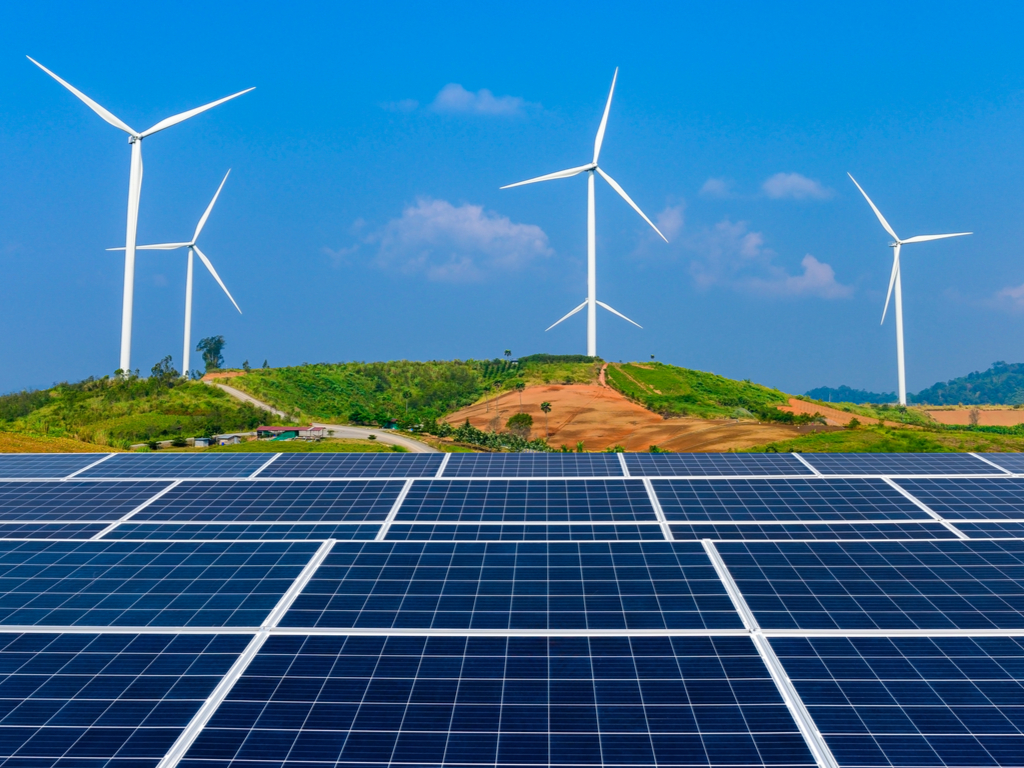
The most visible sign of this positive trend is the rapid uptake of solar power. According to PwC, by 2023, over 4,400 megawatts (MW) of commercial and residential solar panels were installed locally. This phenomenal growth, particularly in the embedded generation sector (behind-the-meter installations for commercial, industrial, and agricultural use), highlights how businesses and homeowners are taking energy security into their own hands. In fact, between 2023 and 2024, the embedded generation sector achieved a 25% compound growth, adding over 2 GW to the total installed capacity—the largest annual increase to date. Large-scale solar sites have also contributed significantly, adding an additional 2,287 MW.
This solar boom is not just about panels on rooftops; it’s about shifting the energy paradigm. It signifies a growing confidence in decentralized generation and the financial viability of renewable energy solutions.
Policy Reforms Paving the Way:
The government’s commitment to energy sector reform is providing crucial tailwinds. A pivotal development is the National Energy Regulator of South Africa’s (NERSA) approval of the new energy wheeling framework on March 3, 2025. This framework, officially unveiled in early May, is highly “consequential” for the sector. It clarifies the rules and charges for the third-party transportation of energy across the grid, even permitting cross-jurisdictional wheeling between Eskom and municipalities. This liberalization of the energy market is set to stimulate competition in electricity generation, making it easier for independent power producers (IPPs) and businesses to generate and wheel their own clean power.
Furthermore, the South African Cabinet’s approval of the South African Renewable Energy Masterplan (SAREM) on March 28, 2025, marks a significant milestone. SAREM is not just about energy security; it’s a strategic framework aimed at fostering industrial growth and job creation within the renewable energy and battery storage value chains. The plan targets increasing the pace of renewable energy rollout, aiming for at least 3-5 GW annually to underpin domestic manufacturing capabilities. This focus on localizing the production of components like solar panels, inverters, and wind turbine towers aims to create over 25,000 jobs by 2030, contributing to a just energy transition.
Investment Confidence and Future Outlook:
The positive momentum is also translating into significant investment interest. GreenCape’s 2025 market intelligence reports project a total investment value of R132 billion by 2030 for private renewable energy developments (6GW for solar PV and 3.5GW for wind power). The embedded solar PV sector alone is expected to grow by 3.8 GW by 2030, with an estimated investment value of R53.2 billion. This demonstrates that investors see a compelling and stable business case in South Africa’s green energy transition.
While challenges like grid capacity constraints and regulatory hurdles remain, the government is actively working to address these. The new bid windows under the Renewable Energy Independent Power Producer Procurement Programme (REIPPPP) continue to attract significant interest, with recent rounds oversubscribed.
The energy transition in South Africa is not merely about addressing power shortages; it’s about building a more sustainable, resilient, and inclusive economy. The positive momentum in renewable energy investment and policy reform signals a future where green power increasingly fuels the nation’s progress, creating jobs, attracting capital, and reducing its carbon footprint. The green shoots in South Africa’s energy grid are indeed blossoming.