





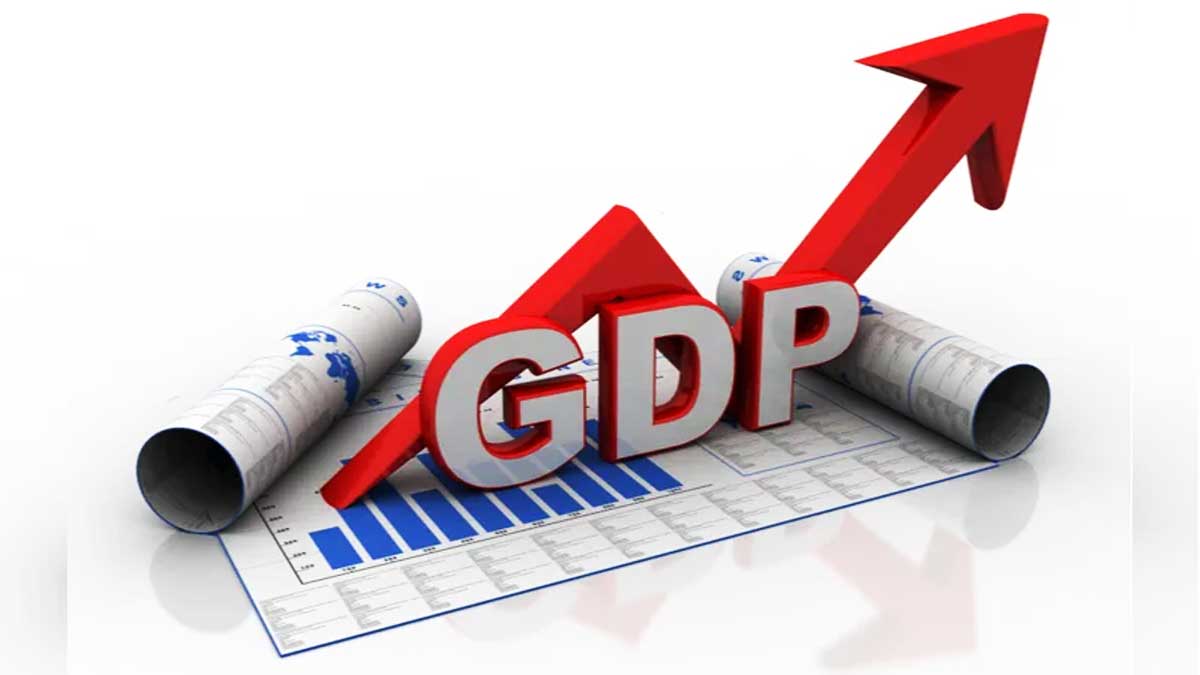
South Africa’s economic journey is a study in contrasts. While the country often records periods of modest GDP growth, these small gains are often overshadowed by the persistent, structural challenges that prevent a more robust and inclusive economic performance. The narrative is one of a few key sectors carrying the load, while the broader economy struggles under the weight of systemic inefficiencies.
The Engines of Growth
When South Africa’s economy does expand, the growth is typically driven by a few key areas:
- Services Sector Resilience: The financial, real estate, and business services sectors have consistently been a stabilizing force. These industries are highly developed and contribute the largest share to the country’s GDP. They often show growth even when other parts of the economy are contracting, providing a vital cushion.
- Volatile Commodity Boosts: The mining and agriculture sectors can provide a significant, albeit often temporary, lift to the economy. Strong global demand for key commodities like platinum and coal, or a favorable agricultural season, can lead to a notable increase in quarterly GDP. However, this growth is highly dependent on international markets and unpredictable weather patterns, making it an unreliable long-term driver.
- Household Consumption: A slight improvement in consumer spending can also contribute to growth. When inflation moderates or interest rates are lowered, households have a bit more disposable income, which can stimulate retail and other consumer-facing industries.
The Brakes on Progress
Despite these positive drivers, South Africa’s growth trajectory remains consistently below its potential. The key reasons for this are rooted in long-standing structural problems that act as a permanent drag on the economy:
- Crippling Infrastructure Deficiencies: This is perhaps the most significant constraint. The country’s infrastructure, particularly in energy and transport, is a major impediment to growth. Frequent and prolonged load shedding (power outages) cripples businesses, disrupting production, increasing operational costs, and deterring investment. Similarly, bottlenecks in freight rail and at ports make it difficult to get goods to market, further stifling exports and economic activity.
- High and Persistent Unemployment: South Africa’s official unemployment rate remains stubbornly high, especially among the youth. This is more than just a social issue; it’s a major economic one. A large portion of the working-age population is not participating in the formal economy, limiting overall production and consumption. The lack of job creation also perpetuates widespread inequality, which undermines long-term social and economic stability.
- Lackluster Investment: Both public and private investment have been sluggish. The uncertain economic climate, coupled with a challenging business environment, makes investors hesitant to commit capital. The state’s own investment in critical infrastructure has been insufficient to address the country’s needs, creating a cycle of decline.
- Erosion of State Capacity: A lack of efficiency and, in some cases, governance issues in state-owned enterprises and government departments, further erode business confidence. The inability to deliver reliable public services and a predictable regulatory environment creates additional barriers for both local and foreign investors.