










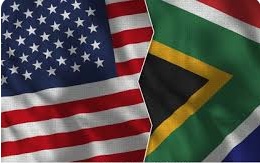


WASHINGTON D.C. – Today’s highly anticipated meeting between South African President Cyril Ramaphosa and US President Donald Trump is not merely a diplomatic dance; it’s a critical economic negotiation with billions of dollars and hundreds of thousands of jobs hanging in the balance. The outcome could either unlock significant opportunities for South Africa or plunge key industries into deeper uncertainty.
At the heart of South Africa’s economic concerns is the African Growth and Opportunity Act (AGOA). This preferential trade program grants duty-free access for numerous South African products to the lucrative US market, a lifeline for sectors like automotive, agriculture (citrus, wine, nuts), and textiles. In 2024, South Africa exported R157-billion ($8.5 billion USD) worth of goods to the US, with a substantial R76-billion ($4.1 billion USD) directly benefiting from AGOA. Losing this preferential access, or facing new tariffs, would be a devastating blow.
The threat is very real. The Trump administration has already imposed a 30% tariff on all South African goods (with exceptions for some critical minerals), and a 25% tariff on vehicles and car parts. While a 90-day pause was granted, the looming prospect of these tariffs becoming permanent, or even a full termination of AGOA eligibility, has sent shivers through South African industries. The automotive sector, in particular, which accounted for 64% of South Africa’s AGOA exports in 2024 and supports over 110,000 direct jobs, faces severe disruption. The agricultural sector, with its significant exports of wine, citrus, and nuts, is also highly vulnerable, with fears of tens of thousands of job losses.
President Ramaphosa’s delegation is reportedly prepared to make trade concessions to de-escalate tensions. Speculation is rife about potential deals in natural gas, minerals, and agricultural products. South Africa, a major supplier of critical minerals like chromium, manganese, and platinum – essential for US industries, particularly auto manufacturing – holds a powerful bargaining chip. The country’s Mineral Resources Minister, Gwede Mantashe, has even suggested that South Africa could consider stopping supplying minerals to the US, a testament to the strategic importance of these resources.
Beyond traditional trade, there’s a significant focus on new US investment. With over 600 US companies already operating in South Africa, and US investment stock valued around $7.5 billion, the potential for growth is considerable. A key discussion point is the licensing of Elon Musk’s Starlink satellite internet system in South Africa. The Ramaphosa administration is reportedly willing to offer a workaround to its Black Economic Empowerment (BEE) laws for Musk’s companies, potentially offering favourable tariffs for Tesla imports in exchange for investments like electric vehicle charging stations. This move, while potentially controversial domestically, could unlock significant tech investment and signal a more investor-friendly environment.
However, the economic implications are not solely dependent on a successful meeting. South Africa’s independent foreign policy, its ties with nations like Iran, and its highly contentious genocide case against Israel at the ICJ remain significant friction points for the US. A failure to address these political differences could undermine any economic overtures, leading to continued aid cuts (like the already impacted PEPFAR program for HIV/AIDS) and further restrictions on trade and investment.
Ultimately, today’s meeting is a high-wire act for South Africa’s economy. A positive outcome could see the retention of vital trade preferences, attract much-needed investment, and stabilize a crucial bilateral relationship. Conversely, a breakdown in talks could lead to crippling tariffs, a further decline in foreign aid, and a broader dampening of investor confidence, exacerbating South Africa’s already challenging economic landscape of low growth and high unemployment. For South Africa, the stakes couldn’t be higher.