


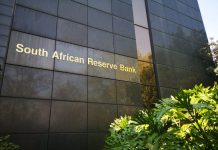



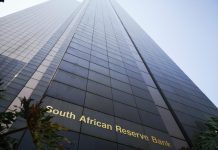



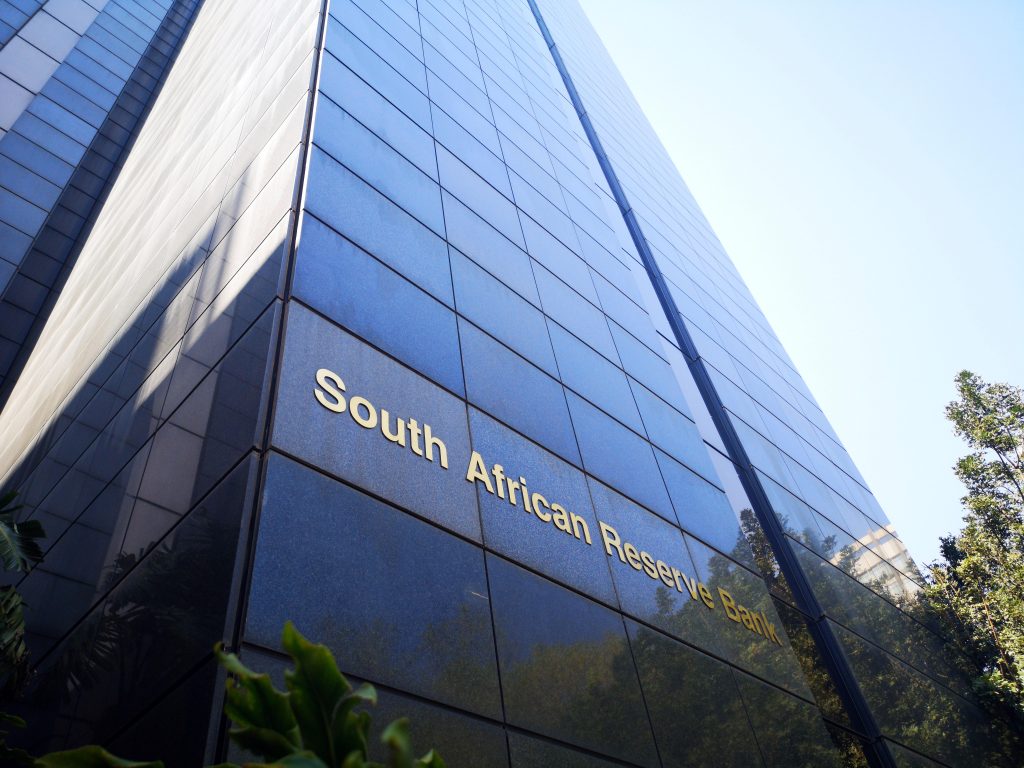
Johannesburg, South Africa – May 29, 2025 – The air in South Africa is thick with anticipation today as the South African Reserve Bank (SARB) prepares to announce its latest interest rate decision. After months of high borrowing costs, a palpable sense of hope, and trepidation, hangs over households and businesses alike. Will the Monetary Policy Committee (MPC) finally deliver the much-needed relief of a rate cut, or will caution prevail amidst lingering economic uncertainties?
The current repo rate stands at 7.5%, translating to a prime lending rate of 11%. This elevated environment has put significant pressure on consumer take-home pay and stifled economic activity. As such, the outcome of today’s MPC meeting, scheduled for 3 p.m. local time, is perhaps the most eagerly awaited economic announcement in recent memory.
The Case for a Cut: Inflation and a Faltering Economy
Much of the optimism for a rate cut stems from South Africa’s recent inflation performance. The annual inflation rate edged up only slightly to 2.8% in April 2025, from 2.7% in March. Crucially, this remains firmly within the lower end of the SARB’s 3-6% target range, and even below the 4.5% midpoint that the central bank implicitly targets. This sustained period of contained inflation, despite global pressures, provides strong ammunition for those advocating for lower rates.
Furthermore, the South African economy continues to grapple with subdued growth. Absa CIB recently halved its 2025 GDP growth forecast to a mere 1%, painting a grim picture for economic expansion. With unemployment rates on the rise (32.9% in Q1 2025) and real GDP growth likely to be zero or even negative in Q1, a rate cut could inject some much-needed stimulus into the struggling economy, potentially boosting confidence and encouraging investment.
Economists are divided, but a Reuters poll found that a majority of those surveyed (15 out of 25) expect a 25-basis point cut, which would bring the repo rate down to 7.25% and prime to 10.75%. This moderate reduction is seen by many as a prudent step to offer relief to consumers and businesses without jeopardizing inflation targets.
The Argument for Holding Steady: Caution and Global Headwinds
Despite the compelling case for a cut, a significant contingent of analysts believes the SARB will err on the side of caution and keep rates unchanged. Their arguments hinge on several key factors:
- Global Uncertainty: The global economic landscape remains fraught with uncertainty, including escalating trade tensions (particularly with the US), which could have significant implications for a trade-dependent economy like South Africa’s. The SARB has historically prioritized financial stability over short-term stimulus in the face of such risks.
- Inflation Target Revision: There’s ongoing discussion about a potential shift in South Africa’s inflation-targeting regime, with the SARB signalling a desire for a narrower, lower target (possibly around 3%). Some economists argue that if a lower target is imminent, the SARB might prefer to hold rates now to avoid any future limitations or the need for subsequent hikes.
- Fiscal Risks: Warnings from economists about South Africa heading towards a serious financial crisis due to an “out of hand” government debt trajectory also play into the SARB’s cautious approach. While the latest budget is expected to pass, concerns about long-term fiscal sustainability remain.
- Inflationary Pressures on the Horizon: While current inflation is low, some foresee future pressures from rising food prices (driven by meat and vegetable costs) and the recent increase in the fuel levy from June 4. The SARB’s forward-looking approach means they consider these potential future impacts.
What’s at Stake?
For homeowners with bonds, a 25-basis point cut could translate into noticeable monthly savings, offering a small but welcome reprieve in a tight economic climate. For businesses, lower borrowing costs could encourage expansion and job creation, which are desperately needed to address the country’s high unemployment.
However, a decision to hold rates steady would underscore the SARB’s commitment to its inflation-fighting credibility, a stance that has earned it respect internationally. It would signal a preference for a measured approach, prioritizing long-term stability over immediate, potentially short-lived, stimulus.
As South Africans await the announcement, the eyes of the nation, and indeed international investors, are firmly fixed on SARB Governor Lesetja Kganyago and the MPC. The decision today will not only shape the immediate economic outlook but also offer crucial insights into the SARB’s strategic direction for the remainder of 2025. The suspense is palpable – will it be relief or continued vigilance for the South African economy?