











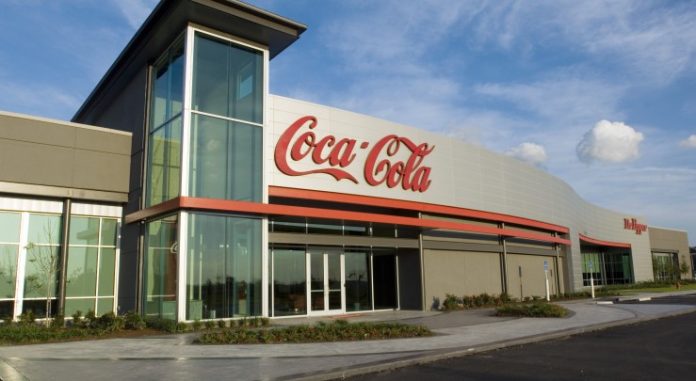


Coca-Cola’s Bitter Pill: Massive Job Cuts and the Worsening State of South Africa’s Labor Market
The recent announcement by Coca-Cola Beverages South Africa (CCBSA) to retrench over 600 workers is more than just a corporate restructuring story; it’s a grim reflection of the profound challenges facing South Africa’s economy and its labor force. This decision, which includes the closure of two bottling plants in Bloemfontein and East London, has sent shockwaves through a country already grappling with persistently high unemployment and a difficult operating environment.
The Contradiction of Corporate Strategy
At first glance, the layoffs at CCBSA appear contradictory. The company is part of Coca-Cola Beverages Africa (CCBA), which is the eighth-largest Coca-Cola bottler globally and has stated “ambitious growth plans” for the continent. In fact, CCBSA recently invested R365 million in a new, high-speed bottling line in Midrand. This apparent paradox highlights a global trend where companies prioritize automation and efficiency to cut costs and boost production, often at the expense of human jobs. While such investments may secure long-term profitability, they directly threaten the livelihoods of workers, particularly in a country like South Africa where labor-intensive industries are crucial for employment.
The Domino Effect on a Fragile Economy
The job cuts at CCBSA are not an isolated event but a part of a wider “cascade of mass retrenchments” sweeping across South Africa’s manufacturing and mining sectors. Other major international firms like Ford Motor Company and Goodyear South Africa have also announced significant layoffs, with Glencore placing thousands of jobs at risk. These corporate decisions are driven by a combination of local and global pressures, including:
- Rising operating costs: South Africa’s frequent power outages (load shedding) and logistical bottlenecks at ports significantly increase the cost of doing business.
- Economic volatility: The country’s strained trade relations create an uncertain investment climate.
- Declining consumer spending: A weak economy and high inflation are squeezing household budgets, leading to reduced demand for non-essential goods.
The socio-economic impact of these layoffs is devastating. With an official unemployment rate hovering around 32% (and an expanded definition including discouraged workers at over 41%), each job loss affects not just the individual but their extended family. The closure of plants in a city like Bloemfontein or East London, which are heavily dependent on industrial employers, creates a ripple effect that can cripple local economies, impacting small businesses, suppliers, and the informal sector.
The situation underscores a critical need for a collective and urgent response from the government, businesses, and labor unions. While companies are within their rights to streamline operations for survival, the human cost is immense. Without a concerted effort to stabilize industries and restore investor confidence, South Africa risks a deeper economic crisis that could have lasting and irreversible consequences.