






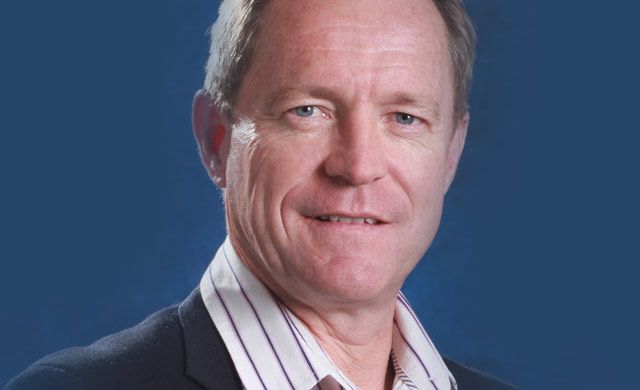
Johannesburg, South Africa – May 29, 2025 – A stark and urgent warning has been issued by one of South Africa’s most respected economists, Dawie Roodt, Chief Economist at Efficient Group: the country is on a dangerous trajectory towards a serious financial crisis, and significant changes are desperately needed to avert it. His recent analysis, particularly following the tabling of Finance Minister Enoch Godongwana’s 2025 Budget, paints a concerning picture of unsustainable debt and inadequate economic growth.
Roodt’s central argument is that South Africa’s fiscal debt trajectory is “out of hand” due to a critical imbalance: the government is spending too much money, and the economy isn’t growing fast enough to support it.
The Troubling Trajectory of Debt:
For years, Finance Ministers have promised to stabilize South Africa’s debt-to-GDP ratio, only to push the target further out each year. Roodt finds this pattern “ridiculous,” pointing out that government debt is projected to increase from R5.69 trillion in 2024-25 to an alarming R6.09 trillion in 2025-26, and further to R6.82 trillion by 2027-28. The National Treasury forecasts debt to stabilize at 77.4% of GDP in 2025-26, a figure already higher than earlier projections.
However, Roodt and other economists argue that the official debt figures don’t tell the full story. When factoring in the substantial contingent liabilities and direct debt of struggling state-owned enterprises (SOEs) and municipalities, some estimates place South Africa’s real debt-to-GDP ratio closer to 95%, or even higher in the widest definitions. This hidden debt poses a massive risk to the fiscus.
The cost of servicing this escalating debt is already astronomical. In 2025-26, debt-servicing costs are projected to consume R426.3 billion, equivalent to 22 cents of every rand collected in taxes. This means more money is being spent on interest payments than on critical public services like health, education, and policing.
The Twin Pillars of the Crisis: Spending and Stagnation
Roodt highlights two primary reasons for this alarming situation:
- Excessive Government Spending: Despite rhetoric of fiscal consolidation, the latest 2025 Budget is characterized by Roodt as an “expansionary budget,” showing a real increase in state expenditure over the next three years. While this might provide short-term economic boosts, it risks pushing the country deeper into a fiscal debt trap in the long term.
- Anemic Economic Growth: This is the more critical issue. Roodt argues that the government’s projected economic growth of 1.4% for 2025 is overly optimistic, with actual growth likely to be below 1%. Such sluggish growth means state revenue will come under immense pressure, exacerbating the budget deficit and forcing the government to borrow even more. He attributes this poor growth primarily to “wrong macroeconomic policies” that fail to foster a conducive environment for investment and job creation.
The Looming Consequences of Inaction:
Roodt’s warning is dire: without “significant changes,” South Africa faces a financial disaster. He paints a grim picture of a potential future:
- Bond Market Collapse: Should investor confidence falter further, the South African bond market could experience turmoil, leading to bond yields skyrocketing (potentially to 15-25%). This would send shockwaves through the local financial system.
- Currency Depreciation: A crisis would inevitably lead to a significantly weaker rand, making imports more expensive and fueling inflation.
- Financial Market Turmoil: South African banks would be severely impacted, and equity and insurance prices would plummet, leading to a widespread reduction in wealth for ordinary citizens.
- SARB Forced Hikes: The South African Reserve Bank would likely be forced to hike interest rates further to combat rising inflation, plunging the economy into a deeper recession.
A Call for Urgent Change:
To avert this catastrophic scenario, Roodt emphasizes the need for fundamental shifts. The solution, he states, is two-fold:
- Accelerate Economic Growth: Implement policies that genuinely stimulate faster and sustained economic growth. This, he stresses, requires an “ideological change” away from current approaches that are perceived to deter investment.
- Aggressively Rein in State Spending: The government must significantly cut its expenditure. This includes addressing the bloated public sector wage bill and improving efficiency across state entities, rather than continuously seeking to raise more revenue through increased taxes which further burden an already struggling economy.
Roodt’s repeated warnings serve as a clarion call. The upcoming period, with the SARB’s interest rate decision today and the ongoing implications of the budget, will be critical in determining whether South Africa heeds these warnings and steers away from the precipice of a serious financial crisis. The stakes, for every South African, could not be higher.